Semantic-Guided-Low-Light-Image-Enhancement
This is the official Pytorch implementation for our paper "Semantic-Guided Zero-Shot Learning for Low-Light Image/Video Enhancement"Updates
- 2021.11.27: The figure for the model architecture has been uploaded.
- 2021.11.10: This work is accepted and will be presented at WACV 2022.
- 2021.10.8: An easy way to calculate mPA and mIOU score is available at this repository
- 2021.10.6: A sample enhanced low-light video in GIF format has been released.
- 2021.10.5: A sample low-light video and its enhanced result is available at: [Low-Light] [Enhanced]
- 2021.10.5: My new repository contains a collection of low-light enhancement methods. Hope you will find it helpful.
- 2021.10.4: The arxiv link is available at http://arxiv.org/abs/2110.00970
Abstract
Low-light images challenge both human perceptions and computer vision algorithms. It is crucial to make algorithms robust to enlighten low-light images for computational photography and computer vision applications such as real-time detection and segmentation tasks. This paper proposes a semantic-guided zero-shot low-light enhancement network which is trained in the absence of paired images, unpaired datasets, and segmentation annotation. Firstly, we design an efficient enhancement factor extraction network using depthwise separable convolution. Secondly, we propose a recurrent image enhancement network for progressively enhancing the low-light image. Finally, we introduce an unsupervised semantic segmentation network for preserving the semantic information. Extensive experiments on various benchmark datasets and a low-light video demonstrate that our model outperforms the previous state-of-the-art qualitatively and quantitatively. We further discuss the benefits of the proposed method for low-light detection and segmentation.Model Architecture
Click the following link to see the model architecture in pdf format.Sample Results
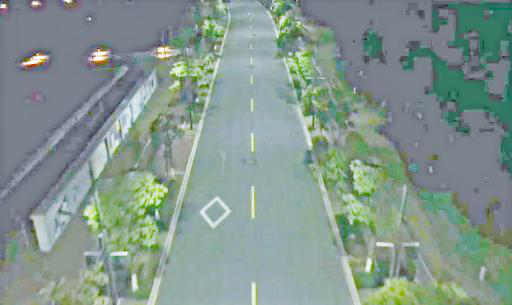
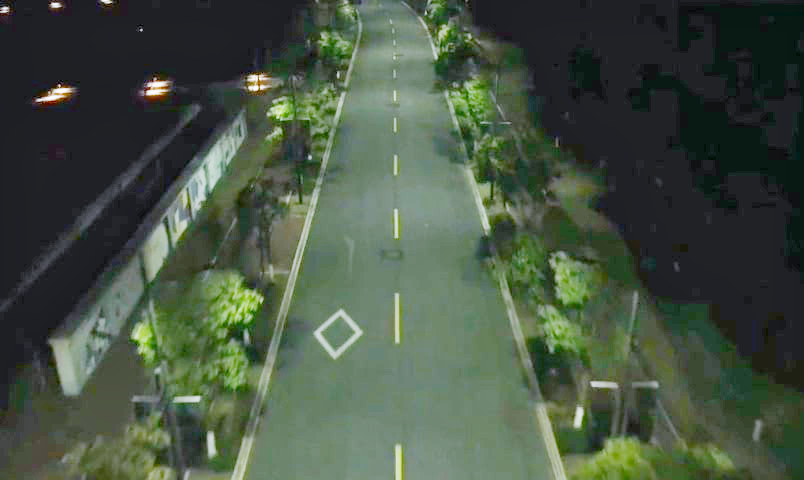
1. Low-Light Video Frames
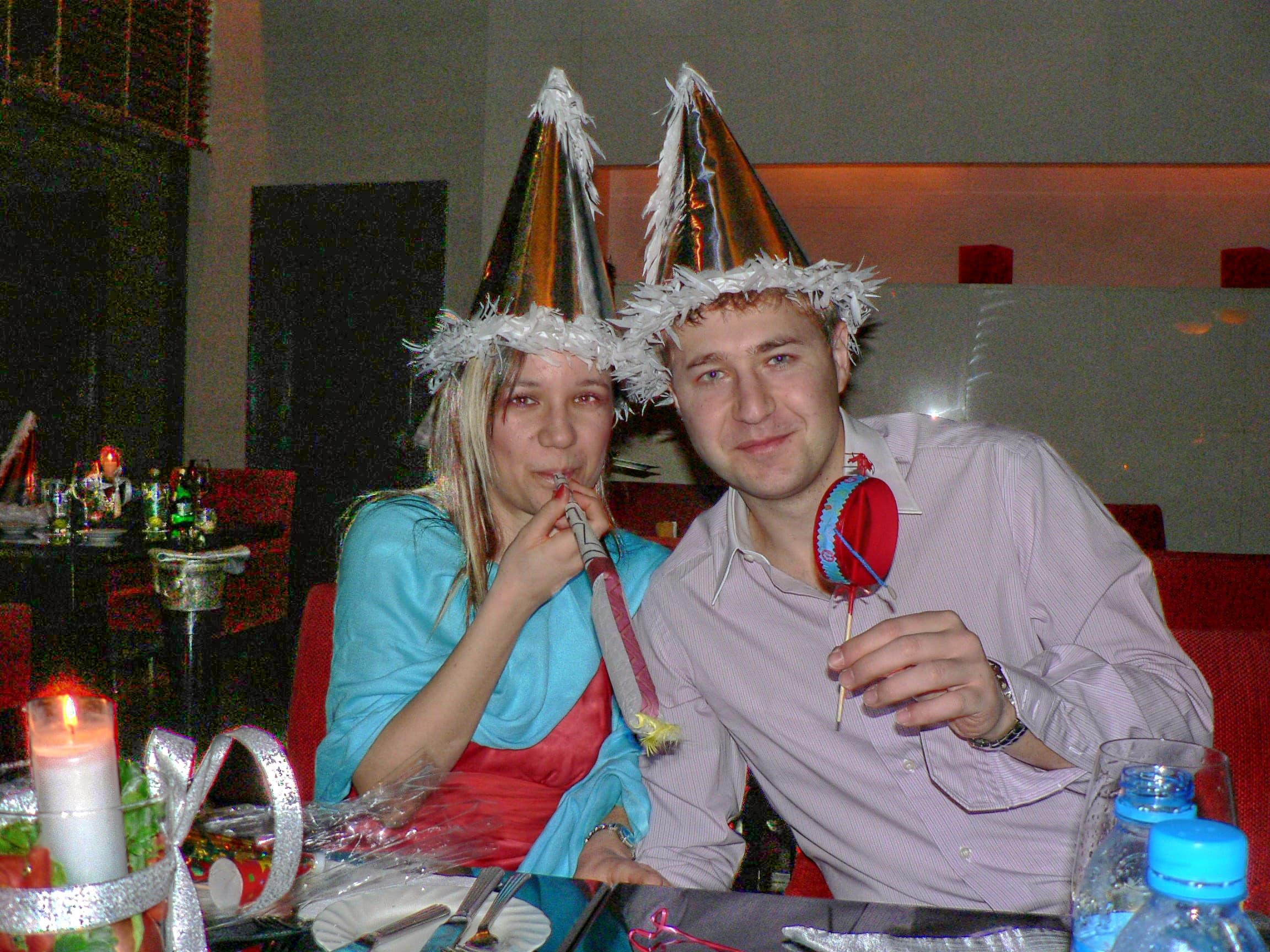
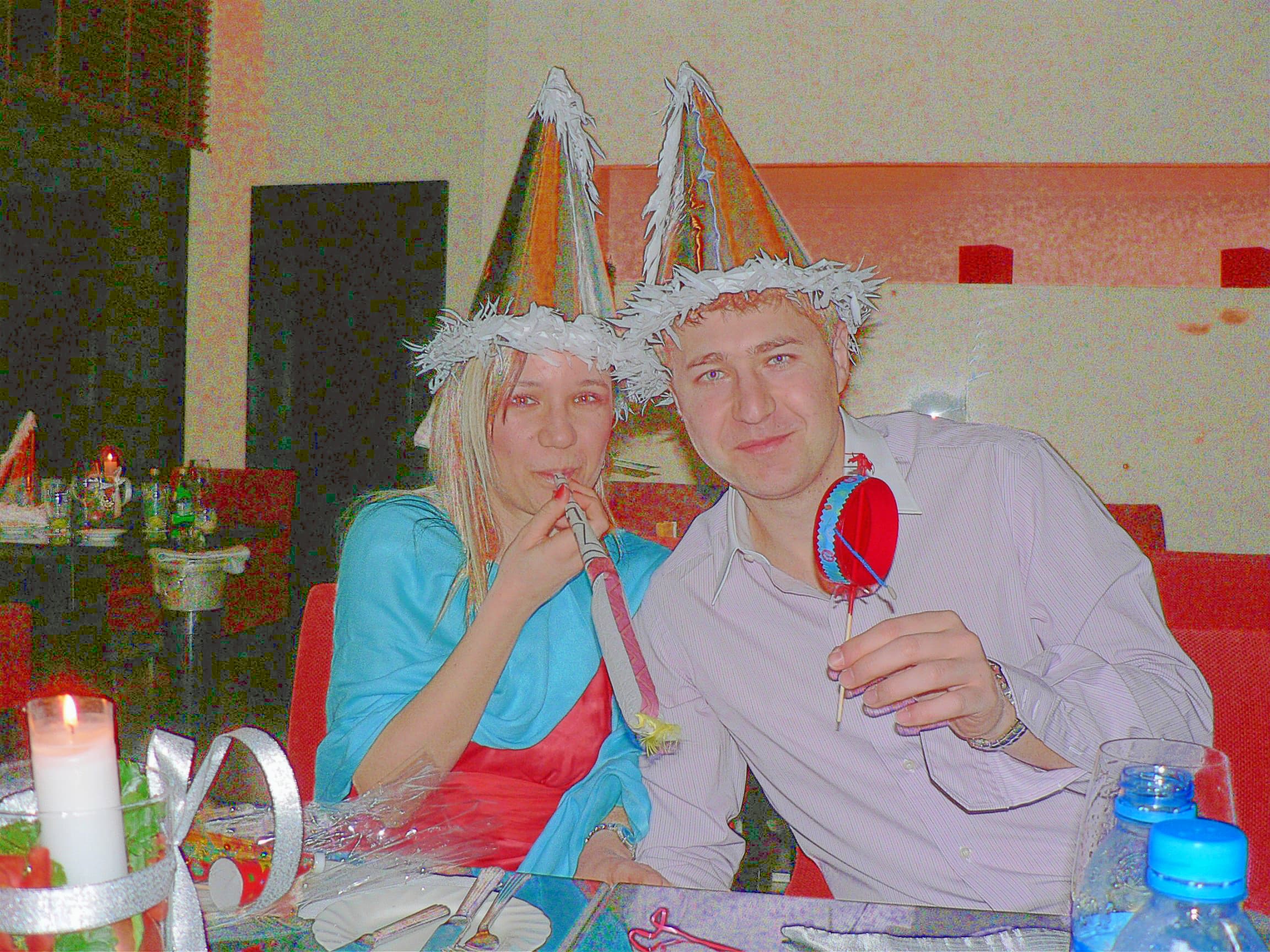
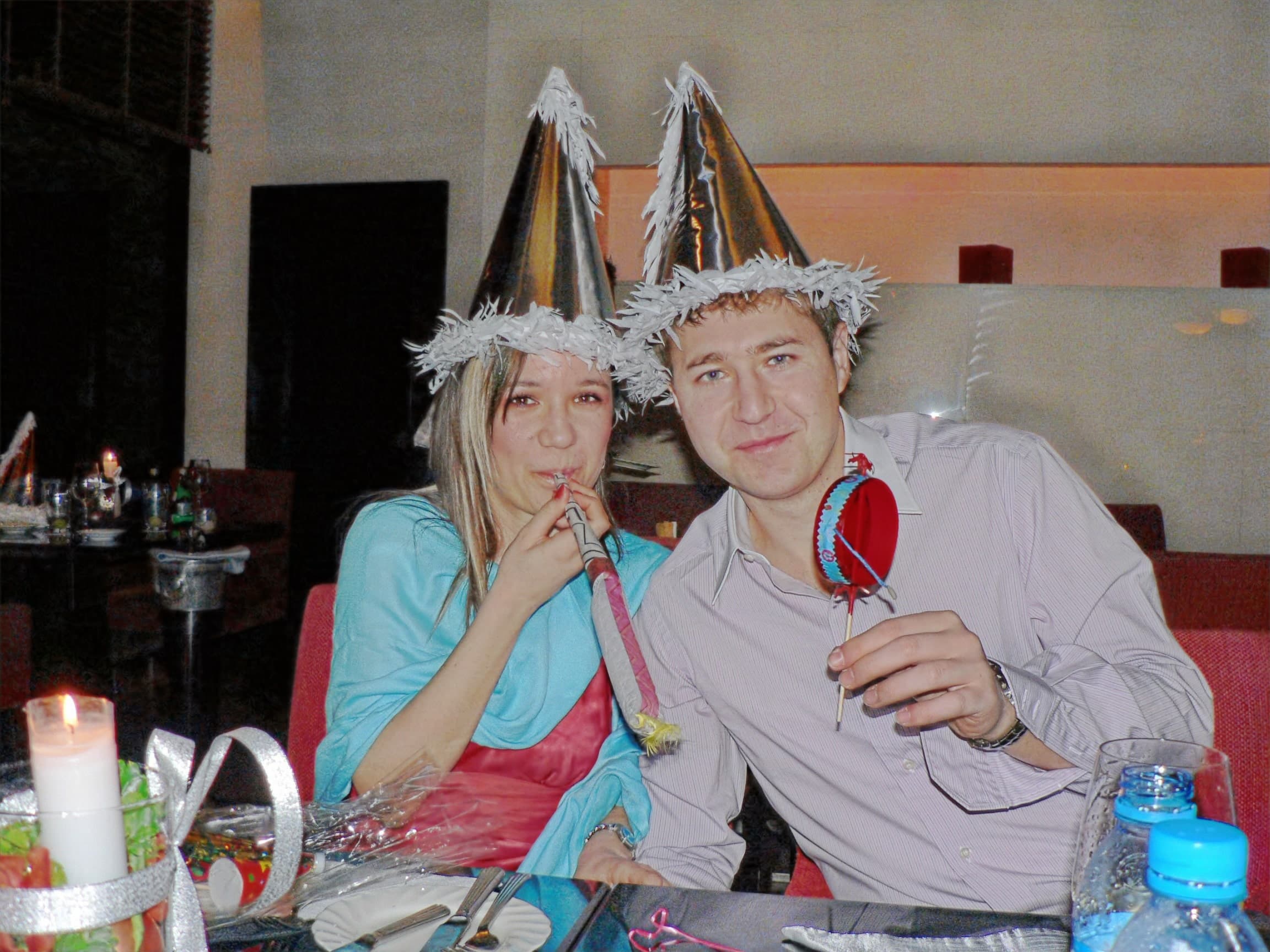
From left to right, and from top to bottom: Dark, Retinex [1], KinD [2], EnlightenGAN [3], Zero-DCE [4], Ours.
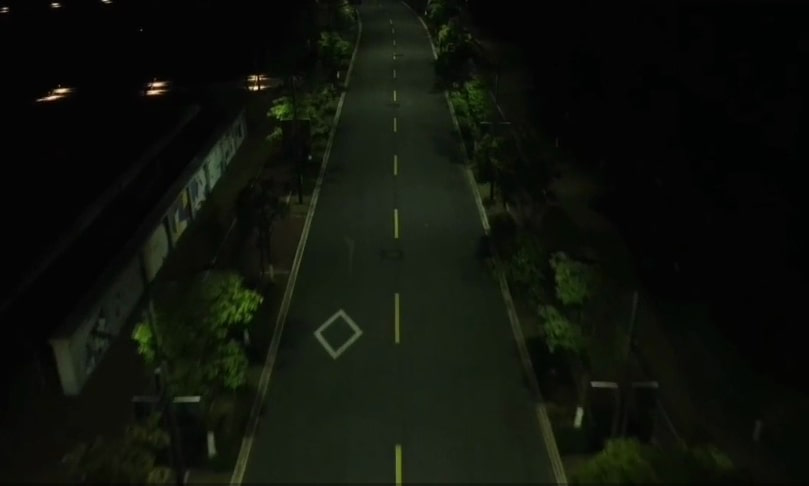
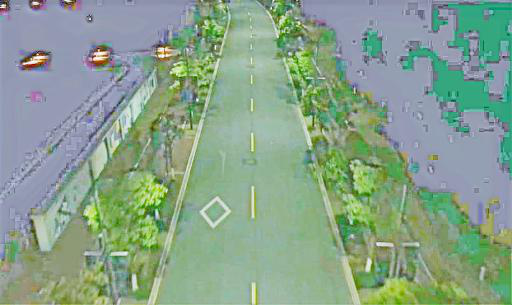
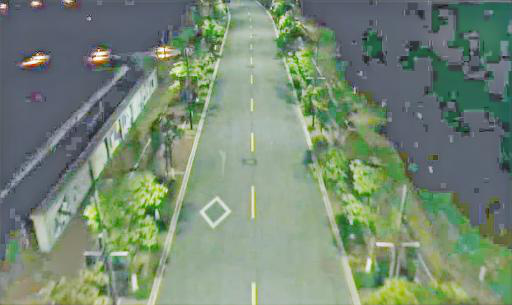
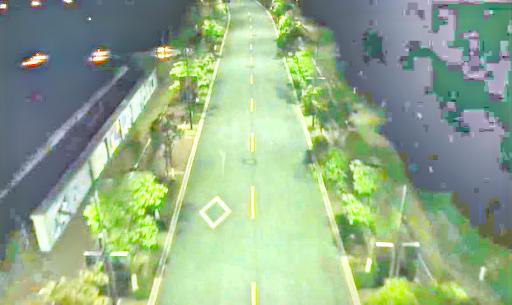
2. Low-Light Images (Real-World)
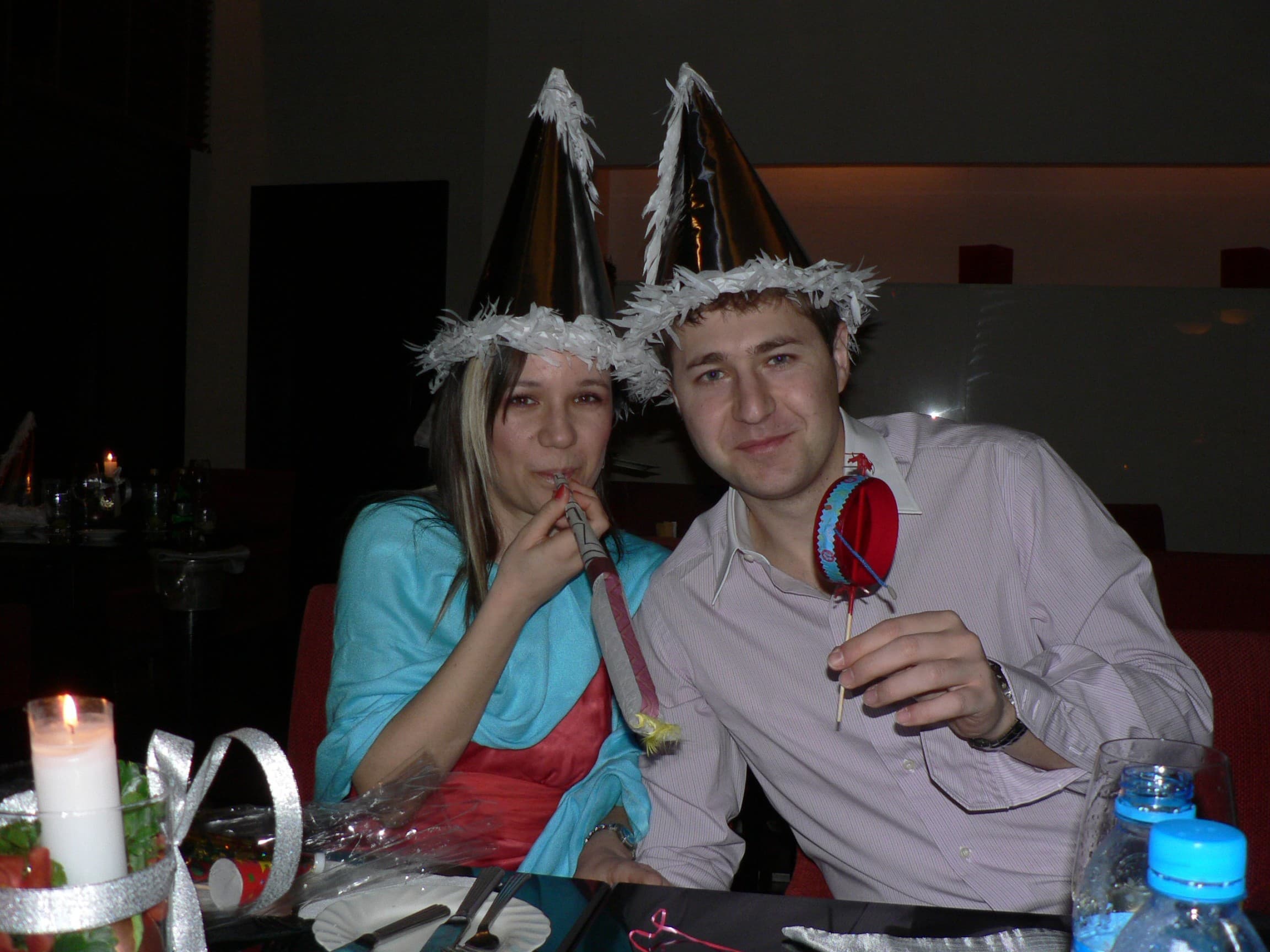
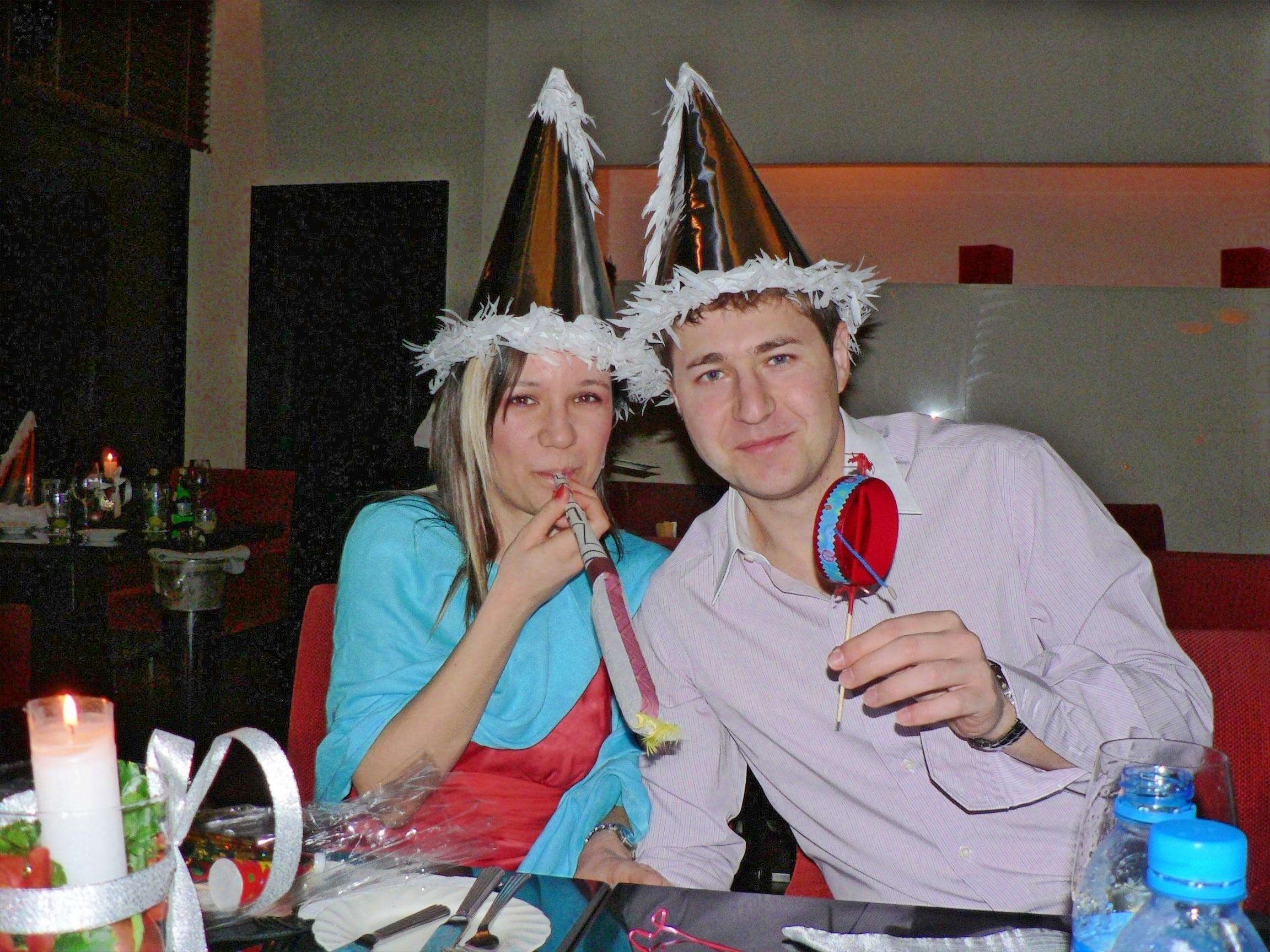
From left to right, and from top to bottom: Dark, PIE [5], LIME [6], Retinex [1], MBLLEN [7], KinD [2] , Zero-DCE [4], Ours
Get Started
1. Requirements
- CUDA 10.0
- Python 3.6+
- Pytorch 1.0+
- torchvision 0.4+
- opencv-python
- numpy
- pillow
- scikit-image
2. Prepare Datasets
Testing Dataset
- Downloaded the official testing images from BaiduYun with password
8itq. - Move the unzipped file into
data/test_data/. - You can also put custom datasets or your own low-light images in this folder for testing. Example:
data/test_data/yourDataset/
Training Dataset
- Downloaded the official training images from GoogleDrive.
- Move the unzipped file into
data/train_data/.
After preparation, the data folders should look like this:
data/
├── test_data/
│   ├── lowCUT/
│   ├── BDD/
│   ├── Cityscapes/
│   ├── DICM/
│   ├── LIME/
│   ├── LOL/
│   ├── MEF/
│   ├── NPE/
│   └── VV/
└── train_data/
    └── ...
3. Training from Scratch
To train the model:python train.py \
--lowlight_images_path path/to/train_images \
--snapshots_folder path/to/save_weightspython train.py \
--lowlight_images_path data/train_data \
--snapshots_folder weight/4. Resume Training
To resume training from a checkpoint:
python train.py \
  --lowlight_images_path path/to/train_images \
--snapshots_folder path/to/save_weights \
--load_pretrain True \
--pretrain_dir path/to/checkpoint.pthExample (resume from Epoch99.pth):
python train.py \
  --lowlight_images_path data/train_data \
--snapshots_folder weight/ \
--load_pretrain True \
--pretrain_dir weight/Epoch99.pth5. Testing
NOTE: Please delete all readme.txt in thedata folder to avoid model inference error.To test the model:
python test.py \
  --input_dir path/to/your_input_images \
  --weight_dir path/to/pretrained_model.pth \
--test_dir path/to/output_folder python test.py \
--input_dir data/test_data/lowCUT \
--weight_dir weight/Epoch99.pth \
--test_dir test_output6. Testing on Videos
For model testing on videos (MP4 format), run in terminal:bash test_video.shThere are five hyperparameters in demo/make_video.py for video testing. See the following explanation.
video_path: path of the low-light videoimage_lowlight_folder: path of the low-light imagesimage_folder: path of the enhanced imagessave_path: path of the enhanced videochoice: whether converting video to image, or image to video
Hyperparameters
| Name | Type | Default | |----------------------|-------|--------------------| | lowlight_images_path | str | data/train_data/ | | lr | float | 1e-3 | | weight_decay | float | 1e-3 | | grad_clip_norm | float | 0.1 | | num_epochs | int | 100 | | train_batch_size | int | 6 | | val_batch_size | int | 8 | | num_workers | int | 4 | | display_iter | int | 10 | | snapshot_iter | int | 10 | | scale_factor | int | 1 | | snapshots_folder | str | weight/ | | load_pretrain | bool | False | | pretrain_dir | str | weight/Epoch99.pth | | num_of_SegClass | int | 21 | | conv_type | str | dsc | | patch_size | int | 4 | | exp_level | float | 0.6 |TODO List
- [x] List (important) hyperparameters
- [x] Address model input size issue
- [x] Upload Pretrained Weight
- [x] Rewrite training and testing argparse in a option.py
- [x] Rewrite training as a class
- [x] Rewrite testing as a class
- [x] Upload Testing Dataset
- [x] Upload Arxiv Link
- [x] Testing on Video
- [x] Upload BibTeX
- [x] Modify Readme file
- [x] Upload Model Architecture
- [ ] Provide Online Demo
Others
Please reach zhengsh@kean.edu if you have any questions. This repository is heavily based upon Zero-DCE. Thanks for sharing the code!Citations
Please cite the following paper if you find this repository helpful.@inproceedings{zheng2022semantic,
title={Semantic-guided zero-shot learning for low-light image/video enhancement},
author={Zheng, Shen and Gupta, Gaurav},
booktitle={Proceedings of the IEEE/CVF Winter Conference on Applications of Computer Vision},
pages={581--590},
year={2022}
}References
[1] Wei, Chen, et al. "Deep retinex decomposition for low-light enhancement." arXiv preprint arXiv:1808.04560 (2018).[2] Zhang, Yonghua, Jiawan Zhang, and Xiaojie Guo. "Kindling the darkness: A practical low-light image enhancer." Proceedings of the 27th ACM international conference on multimedia. 2019.
[3] Jiang, Yifan, et al. "Enlightengan: Deep light enhancement without paired supervision." IEEE Transactions on Image Processing 30 (2021): 2340-2349.
[4] Guo, Chunle, et al. "Zero-reference deep curve estimation for low-light image enhancement." Proceedings of the IEEE/CVF Conference on Computer Vision and Pattern Recognition. 2020.
[5] Fu, Xueyang, et al. "A probabilistic method for image enhancement with simultaneous illumination and reflectance estimation." IEEE Transactions on Image Processing 24.12 (2015): 4965-4977.
[6] Guo, Xiaojie, Yu Li, and Haibin Ling. "LIME: Low-light image enhancement via illumination map estimation." IEEE Transactions on image processing 26.2 (2016): 982-993.
[7] Lv, Feifan, et al. "MBLLEN: Low-Light Image/Video Enhancement Using CNNs." BMVC. 2018.
--- Tranlated By Open Ai Tx | Last indexed: 2025-12-29 ---